The State of Transportation in 2025: Navigating Evolution and Excellence
@import url('https://fonts.googleapis.com/css2?family=Inter:wght@300;400;500;600;700&display=swap'); #custom-container-transport2025 { font-family: 'Inter', -apple-system, BlinkMac...
The State of Transportation in 2025
Navigating Evolution and Excellence in Modern Transportation
The transportation industry stands at a fascinating crossroads in 2025, where century-old traditions meet cutting-edge innovation. As businesses and consumers alike demand more efficient, reliable, and sustainable transportation solutions, the industry is responding with remarkable adaptability and forward-thinking strategies that are reshaping how goods move across America.
A Century of Transportation Evolution
To understand where we're heading, it's essential to appreciate how far we've come. The transportation industry has weathered countless storms—from the Great Depression to global pandemics—proving its resilience time and again. Companies that have survived and thrived for over a century, like family-owned operations that began in the 1920s, have witnessed firsthand the dramatic shifts in technology, regulations, and customer expectations.
These veteran companies bring irreplaceable institutional knowledge to today's challenges. They understand that while technology may change the tools, the fundamental principles of safe, reliable service remain constant. Their experience navigating regulatory changes, economic downturns, and supply chain disruptions provides a stability that newer market entrants simply cannot match.
Technology Integration: The New Standard
One of the most significant developments in modern transportation is the seamless integration of technology into daily operations. GPS tracking systems, once considered luxury additions, are now standard equipment across professional fleets. These systems provide real-time visibility that benefits all stakeholders—from dispatchers monitoring routes to customers tracking their deliveries.
Dash cameras have become equally essential, serving dual purposes of safety enhancement and liability protection. The data collected from these systems helps companies identify training opportunities, improve driver performance, and demonstrate their commitment to safety to insurance providers and regulatory bodies.
The transformation extends beyond individual vehicles to encompass entire fleet management systems. Modern transportation companies leverage sophisticated software platforms that optimize routing, schedule maintenance, and track fuel consumption with unprecedented precision.
Modern fleet management combines traditional expertise with advanced technology to deliver superior service reliability and safety standards.
Safety: The Unwavering Priority
Safety remains the cornerstone of professional transportation, but the methods for achieving and maintaining high safety standards have evolved dramatically. Today's transportation companies implement comprehensive safety programs that go far beyond basic regulatory compliance.
Regular driver safety meetings, annual driving record reviews, and ongoing training programs have become industry standards. Companies are investing heavily in driver education, recognizing that their most valuable assets are the skilled professionals behind the wheel.
The integration of technology into safety protocols has created new opportunities for risk mitigation. Continuous monitoring systems can alert fleet managers to potential issues before they become problems, enabling proactive intervention that protects both drivers and cargo.
Specialized Transportation: Meeting Unique Demands
As the economy has become more complex and specialized, so too have transportation requirements. Different industries demand specific expertise and equipment capabilities that go far beyond simple point-to-point delivery.
Liquid Asphalt Transportation
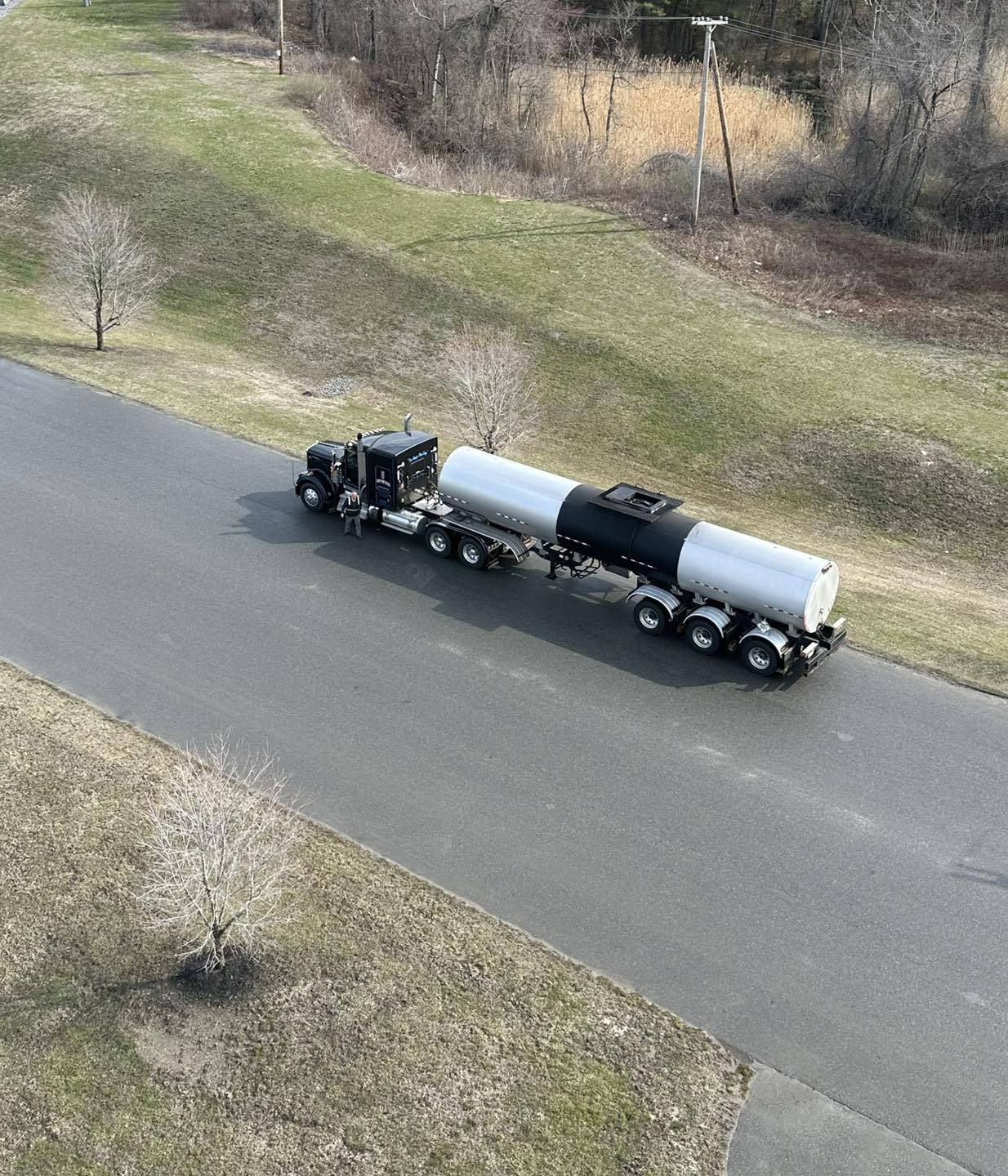
The construction industry's reliance on liquid asphalt creates unique transportation challenges. This specialized cargo requires insulated tanks, temperature management, and drivers trained in handling hazardous materials. The precision required for these operations cannot be understated—timing is critical, as asphalt must arrive at construction sites within specific temperature ranges to ensure proper application.
Bulk Fuel Distribution
Energy sector transportation demands the highest levels of safety and reliability. Fuel oil delivery requires specialized equipment, rigorous safety protocols, and comprehensive insurance coverage. The regulatory environment surrounding bulk fuel transportation is complex, requiring transportation companies to maintain current certifications across multiple jurisdictions.
Construction Material Logistics
Dump trailer operations serve as the backbone of construction and infrastructure projects. These services require versatile equipment capable of handling diverse materials—from aggregates to construction debris. The ability to provide reliable, scheduled deliveries directly impacts project timelines and budgets.
Regional Expertise: The New England Advantage
Transportation companies operating in the northeastern United States face unique challenges that require specialized knowledge and preparation. New England's diverse geography, from coastal plains to mountainous terrain, demands equipment and expertise capable of handling varied conditions.
Multi-state operations require comprehensive understanding of different regulatory environments. A company licensed to operate across Massachusetts, Maine, New Hampshire, Vermont, Rhode Island, New York, New Jersey, and Pennsylvania must navigate varying permit requirements, weight restrictions, and environmental regulations.
Weather considerations add another layer of complexity. Companies operating in this region must prepare for everything from coastal storms to mountain snow conditions, requiring both equipment modifications and driver training specific to seasonal challenges.
Transportation Industry by the Numbers
The Human Element: Irreplaceable Expertise
Despite technological advances, the transportation industry remains fundamentally dependent on skilled human operators. Experienced drivers bring judgment, adaptability, and problem-solving capabilities that no automated system can replicate. Their ability to assess road conditions, navigate unexpected obstacles, and interact professionally with customers defines service quality.
The industry's ongoing driver shortage has highlighted the value of companies that prioritize driver retention and satisfaction. Organizations that invest in their workforce through competitive compensation, comprehensive benefits, and respectful treatment are finding success in attracting and retaining top talent.
Sustainability and Environmental Responsibility
Environmental consciousness has become a driving force in transportation decision-making. Companies are implementing fuel efficiency programs, optimizing routes to reduce emissions, and investing in cleaner technologies where feasible.
The focus on sustainability extends beyond environmental concerns to economic benefits. Fuel-efficient operations reduce costs, which can be passed along to customers through competitive pricing. Route optimization not only reduces emissions but also improves delivery times and service reliability.
Looking Forward: Industry Resilience
The transportation industry's future appears bright, built on a foundation of experience, innovation, and adaptability. Companies that successfully combine traditional expertise with modern technology are positioned to thrive in an increasingly competitive marketplace.
The key to success lies in maintaining core values—safety, reliability, and customer service—while embracing beneficial innovations. Organizations that understand this balance, particularly those with decades of operational experience, bring unique value to their customers and communities.
As we move further into 2025, the transportation industry continues evolving, but the fundamental requirements remain unchanged: safe, reliable, professional service delivered by experienced teams using appropriate equipment. Companies that have mastered these basics while adapting to modern requirements represent the industry's brightest future.
The transportation landscape will undoubtedly continue changing, but history suggests that companies built on solid foundations of safety, service, and community trust will continue leading the way forward, just as they have for over a century.